Periodontal Treatment Ventura: The Key to Stronger Gums
@jaidenzdgm001


Healthy gums rarely get much attention until something feels wrong. A little bleeding when brushing, tenderness near the molars, a breath issue that does not seem to improve, these signs often get brushed aside for months or even years. Yet gum health plays a central role in the stability of every tooth in the mouth. When the gums and supporting bone weaken, even teeth that are free of cavities can become vulnerable.
That is why periodontal treatment matters. For patients seeking Periodontal Treatment Ventura, the goal is not simply to clean the teeth or calm irritation for a week or two. The real objective is to stop disease activity, protect the bone that supports the teeth, and create conditions that make long-term oral health realistic. Done well, periodontal care is both preventive and restorative. It helps patients keep their natural teeth longer, lowers the risk of recurring inflammation, and often improves comfort in ways that people notice immediately.
The challenge is that gum disease can progress quietly. It does not always cause sharp pain in the early stages. I have seen many patients assume that bleeding gums are normal, especially if they have dealt with it for years. They are often surprised to learn that healthy gums generally do not bleed during routine brushing and flossing. Bleeding is more often a sign of inflammation, and inflammation is the body’s signal that something needs attention.
What periodontal disease actually does
Periodontal disease begins with plaque, a sticky film of bacteria that forms on the teeth every day. If plaque is not disrupted regularly, it hardens into tartar, also called calculus. Tartar cannot be removed at home with a toothbrush or floss. Once it settles along and below the gumline, it creates the perfect environment for bacteria to thrive.
The body responds with inflammation. At first, that may look like redness, puffiness, or bleeding. This early phase, gingivitis, is still reversible in many cases with professional cleaning and consistent home care. The trouble starts when the infection moves deeper. The gums begin to pull away from the teeth, pockets form, and bacteria settle into areas that are difficult to clean. Over time, the bone that holds the teeth in place can shrink.
That deeper stage is periodontitis. At that point, treatment becomes more involved because the issue is no longer limited to surface irritation. It affects the structures that anchor the teeth. Patients may notice loose teeth, spaces that were not there before, gum recession, or a change in the way the bite fits together. Some experience sensitivity near the roots. Others notice that food traps more easily between teeth that used to fit tightly.
One detail that often surprises people is how uneven the disease can be. A person might have severe pocketing in the back molars and only mild inflammation in the front teeth. Another might have generalized recession but very little bleeding. Gum disease does not always follow a neat pattern, which is one reason a careful periodontal evaluation matters.
Why Ventura patients often benefit from early evaluation
People in Ventura lead busy lives. Between work, family responsibilities, commuting, and the everyday tendency to postpone anything that does not feel urgent, dental issues often slide down the list. Gum disease takes advantage of that delay. What starts as a manageable cleaning issue can gradually become a more complex health problem.
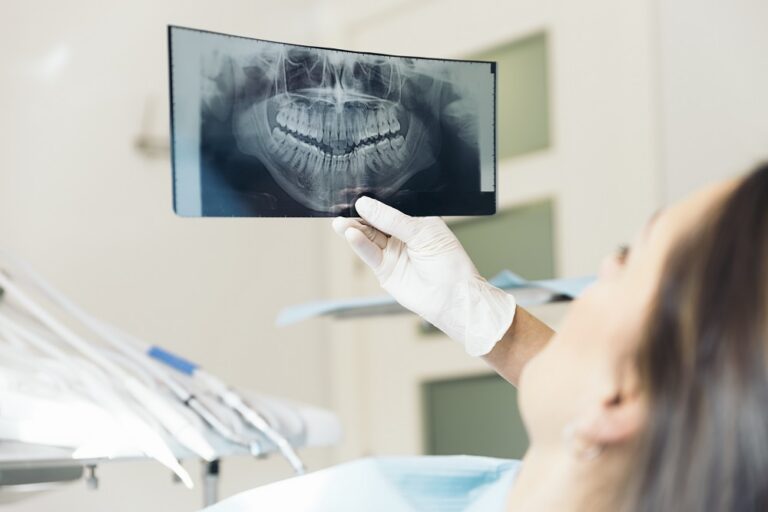
Early periodontal assessment gives a clearer picture before serious damage occurs. A thorough exam typically includes measuring gum pocket depths, evaluating bleeding points, checking tooth mobility, reviewing bone levels on radiographs, and looking at areas where plaque tends to accumulate. These details help distinguish a patient who needs a standard cleaning from one who needs active periodontal therapy.
This is where professional judgment matters. Not every patient with bleeding gums needs surgery. Not every patient with tartar buildup needs aggressive intervention. Good care is tailored. A younger patient with localized inflammation around orthodontic retainers may respond well to a deep cleaning and improved home technique. A patient with years of smoking history, recession, and bone loss may need a more structured treatment plan and frequent maintenance. The same symptom can point to very different clinical realities.
Signs that should not be ignored
Many people wait for pain before they seek care, but gum disease does not always announce itself that way. In daily practice, the signs that most often lead to a periodontal diagnosis are subtle at first.
- Bleeding during brushing or flossing
- Persistent bad breath or a sour taste
- Gum recession or teeth that look longer
- Loose teeth or a shifting bite
- Swollen, tender, or chronically red gums
None of these signs proves severe disease on its own, but each deserves attention. Bleeding after flossing once, after a long gap in home care, may reflect temporary irritation. Bleeding that happens regularly is different. Recession can occur from brushing too aggressively, but it can also reflect deeper periodontal problems. The value lies in identifying the cause, not guessing.
What happens during periodontal treatment
For patients exploring Periodontal Treatment Ventura, one of the most common questions is simple: what does treatment actually involve? The answer depends on the stage of disease, but most care begins with controlling bacterial buildup below the gumline.
A routine cleaning focuses on the visible tooth surfaces above the gums. Periodontal treatment reaches deeper. The most common first step is scaling and root planing, often called a deep cleaning. This process removes plaque, tartar, and bacterial toxins from the root surfaces where the gums have detached. The root is then smoothed so the tissue has a better chance to heal and reattach.
This is usually done with local anesthetic to keep the patient comfortable. Treatment may be completed over one or more visits depending on how much of the mouth is involved. Some practices treat one side at a time, while others divide the mouth into quadrants. The approach varies, but the principle is the same: thoroughly clean the infected areas and disrupt the environment that allows disease to progress.
Patients often ask whether deep cleaning hurts. During treatment, discomfort is usually well controlled with anesthetic. Afterward, tenderness, mild soreness, or temperature sensitivity can occur for a few days, especially in areas where tartar had been thick or the gums were very inflamed. Most people do well with a soft diet for a day or two, gentle brushing, and any recommended rinses. The post-treatment experience tends to be more manageable than people expect.
In some cases, antimicrobial therapy is added. That may include prescription rinses or locally delivered medication placed in deeper pockets. These adjuncts are not a substitute for mechanical cleaning, but they can help in selected cases. If pockets remain deep after initial treatment, or if bone defects are advanced, surgical periodontal therapy may be recommended.
When surgery becomes part of the conversation
The word surgery makes many patients tense, but periodontal surgery is not automatically a sign that things have gone terribly wrong. It is often a practical next step when non-surgical care has improved the tissues but has not fully solved the underlying problem.
Periodontal flap surgery allows the clinician to access root surfaces and bone more directly. In advanced cases, this visibility matters. It helps remove deposits that are difficult to reach otherwise and allows reshaping or treatment of areas where bacteria persist. In some situations, regenerative procedures may be considered to encourage bone and tissue support where the defect pattern is favorable.
Gum grafting is another procedure that often enters the discussion, especially in patients with pronounced recession. Recession can expose sensitive root surfaces, change the appearance of the smile, and make teeth more vulnerable to further wear. A graft can strengthen thin tissue and protect areas that are at risk. Not every recessed site needs grafting, and not every patient is a good candidate for every technique. Careful case selection matters as much as the procedure itself.
There is a trade-off here worth understanding. Some surgical treatments can dramatically improve access and long-term maintainability, but they may also lead to a slightly different contour of the gums afterward. That is not necessarily a negative outcome. A site that is easier to keep clean and less likely to remain infected is often far healthier, even if the shape looks a little different than before. Functional health takes priority.
The role of maintenance, and why it is not optional
One of the most important truths in periodontics is that treatment does not end when the deep cleaning or surgery is over. Gum disease is a chronic condition with periods of control and recurrence. Patients who have had periodontitis need maintenance care, not just occasional cleanings when life allows.
Periodontal maintenance is more targeted than a standard prophylaxis. It includes monitoring pocket depths, evaluating bleeding, checking for recurrent buildup in high-risk areas, and cleaning below the gumline where needed. The interval is often every three to four months, especially after active treatment, because bacterial communities repopulate quickly. For some stable patients, schedules may be adjusted over time, but extended gaps tend to invite relapse.
This is where habits at home and care in the office meet. A patient can receive excellent treatment and still lose ground if daily plaque control remains poor. On the other hand, a patient with a history of significant bone loss can stay stable for years with diligent maintenance and reliable home care. I have seen both outcomes. The difference is rarely luck.
Home care that supports stronger gums
Patients sometimes want a perfect product recommendation, a mouthwash that fixes everything, or a brush that somehow compensates for inconsistent technique. The reality is less glamorous and more effective. Stronger gums come from steady plaque disruption, gentle tissue care, and follow-through.
A soft-bristled toothbrush is usually best. Hard brushing does not create cleaner teeth, but it can contribute to abrasion and recession. Electric brushes help many people because they improve consistency and reduce the temptation to scrub. Floss is useful, but alternatives such as interdental brushes or water flossers may be better for patients with wider spaces, bridges, implants, or reduced dexterity. The right tool is the one a patient can and will use correctly every day.
Technique matters more than brand. I have watched patients spend heavily on specialty products while missing the simplest issue, they are not cleaning the gumline well enough. A two-minute brush that skims the chewing surfaces and front teeth is not enough. The margins where the tooth meets the gum deserve patient, methodical attention.
For patients with a history of periodontal disease, these habits make the biggest difference:
- Brush twice daily with focused attention at the gumline
- Clean between the teeth every day with the right tool for the space
- Keep maintenance visits on schedule, even when symptoms improve
- Avoid tobacco, which sharply increases periodontal risk
- Ask for technique coaching instead of assuming your routine is effective
That last point is often underestimated. Many adults have never been shown how to clean around recession, under fixed retainers, or around crowded lower front teeth. Small adjustments in angle, pressure, and sequence can produce much better results within a week or two.
Risk factors that change the treatment picture
Not all gum disease behaves the same https://www.google.com/maps?cid=6886544599407677320 way because not all patients bring the same risk profile. Smoking remains one of the most important factors. Tobacco reduces blood flow, impairs healing, and can mask bleeding, which means disease may appear less inflamed than it truly is. Smokers often present with more advanced destruction and slower response to therapy.
Diabetes is another major consideration, especially when blood sugar is not well controlled. The relationship goes both ways. Poor glycemic control can worsen periodontal inflammation, and chronic periodontal infection can make glucose management more difficult. That does not mean treatment is futile. It means coordination and consistency matter more.
Genetics also play a role. Some patients are meticulous with oral hygiene and still develop attachment loss earlier than expected. Others coast for years with minimal consequences before the disease catches up to them. Dry mouth from medications, clenching or grinding, hormonal changes, and immune system conditions can all influence gum health as well.
This is why thoughtful Periodontal Treatment Ventura should never feel one-size-fits-all. Two patients with the same pocket depths may need different strategies based on smoking status, medical history, dexterity, age, and goals. A retiree motivated to preserve a stable dentition for decades may choose differently than a younger patient balancing orthodontic treatment, finances, and a demanding work schedule. Good treatment planning respects those realities.
How treatment protects more than your smile
Most patients seek periodontal care because of local symptoms, bleeding, bad breath, loose teeth, recession, or concern about tooth loss. Those are valid reasons. But there is a broader health angle worth understanding. Chronic inflammation in the mouth is not trivial. The gums are living tissue with a rich blood supply. Long-standing infection is a burden on the body, even when it remains largely painless.
Careful clinicians avoid overstatement here. Gum disease is not the sole cause of systemic illness, and it should not be framed with dramatic certainty. Still, the link between periodontal health and overall inflammatory burden is clinically meaningful enough that many physicians and dentists pay close attention to it, especially in patients with diabetes, cardiovascular risk factors, or pregnancy-related gum changes. At the very least, reducing chronic oral infection is a sensible step toward better whole-body health.
Questions patients often ask before starting care
One common concern is whether periodontal treatment can regrow everything that has been lost. The honest answer is no, not always. Inflamed tissue can heal, bleeding can stop, pockets can shrink, and some defects can improve significantly. But bone loss that has already occurred is often only partly reversible, if at all. The aim is to stop progression, improve stability, and preserve function. That is still a highly worthwhile outcome.
Another question is whether treatment means the teeth are doomed. Quite the opposite. Periodontal treatment is often what allows patients to keep teeth that might otherwise continue deteriorating. I have seen teeth with guarded prognoses remain comfortable and functional for many years after appropriate therapy and maintenance. The key is realistic follow-through.
Cost is also part of the conversation. Periodontal care can be more involved than a routine cleaning, and some patients hesitate because of that. Yet delaying care often makes treatment more extensive later. A deep cleaning and maintenance program is usually less costly, financially and biologically, than extractions, bone grafting, implants, or complex restorative work after advanced breakdown. Prevention is not always cheap, but neglect is usually more expensive.
Choosing care with a long view
The best periodontal care is rarely the flashiest. It is thorough, measured, and consistent. It starts with a precise diagnosis, continues with treatment matched to the severity of disease, and depends on a partnership between clinician and patient. Stronger gums do not come from a single appointment. They come from removing the infection, improving the environment around the teeth, and staying ahead of recurrence.
For anyone considering Periodontal Treatment Ventura, the most important step is not waiting for a dramatic symptom. Bleeding, recession, and tenderness are enough reason to get evaluated. Early intervention gives you more options, more predictable healing, and a better chance of keeping your natural teeth in stable condition.
Healthy gums are quiet. They do not bleed every morning. They do not ache when you floss. They hold the teeth firmly, frame the smile naturally, and let the rest of the mouth function as it should. Periodontal treatment is the path back to that kind of stability, and for many patients, it is one of the most valuable investments they can make in long-term oral health.
Avra Dental
Address: 1708 S Victoria Ave B, Ventura, CA 93003
Phone number: (805) 941-1001
FAQ About Periodontal Treatment Ventura
Can a dentist get rid of periodontal disease?
A dentist or gum specialist (periodontist) cannot fully cure or reverse advanced periodontal disease (periodontitis), but they can successfully stop its progression and manage the infection.
Is periodontitis very serious?
Yes, periodontitis is a very serious, advanced form of gum disease that destroys the bone and tissues supporting your teeth.
How is stage 2 periodontal disease treated?
Stage 2 periodontal disease (early to moderate periodontitis) is primarily treated with non-surgical deep cleaning procedures like scaling and root planing to remove bacteria and tartar below the gumline.